
Turning product variety into manufacturing information
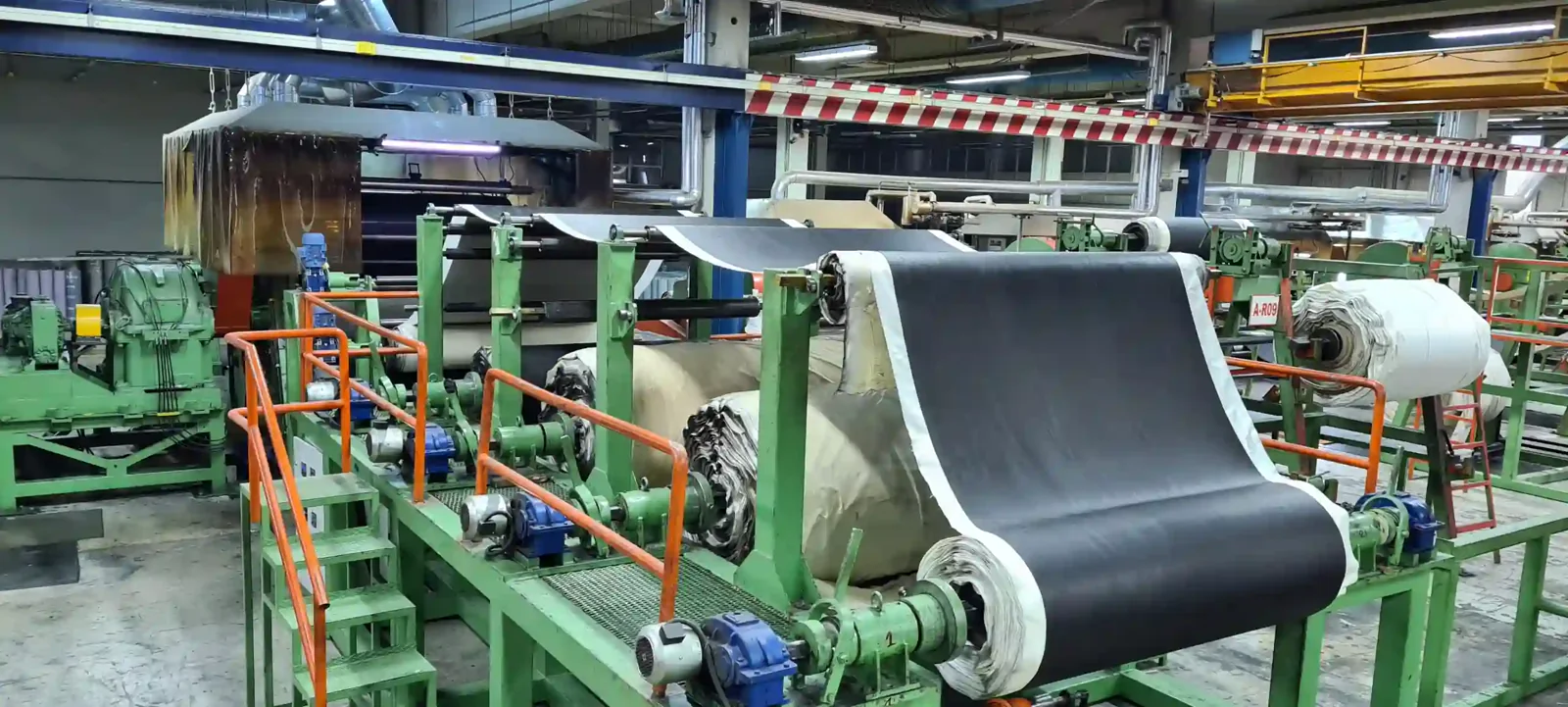
Active in the rubber products industry since 1975, Kale Conveyor manufactures conveyor belts, rubber sheets, belts and scrapers, exporting to more than 140 countries. Today, 50 people actively use True ERP to manage operations across three factories.
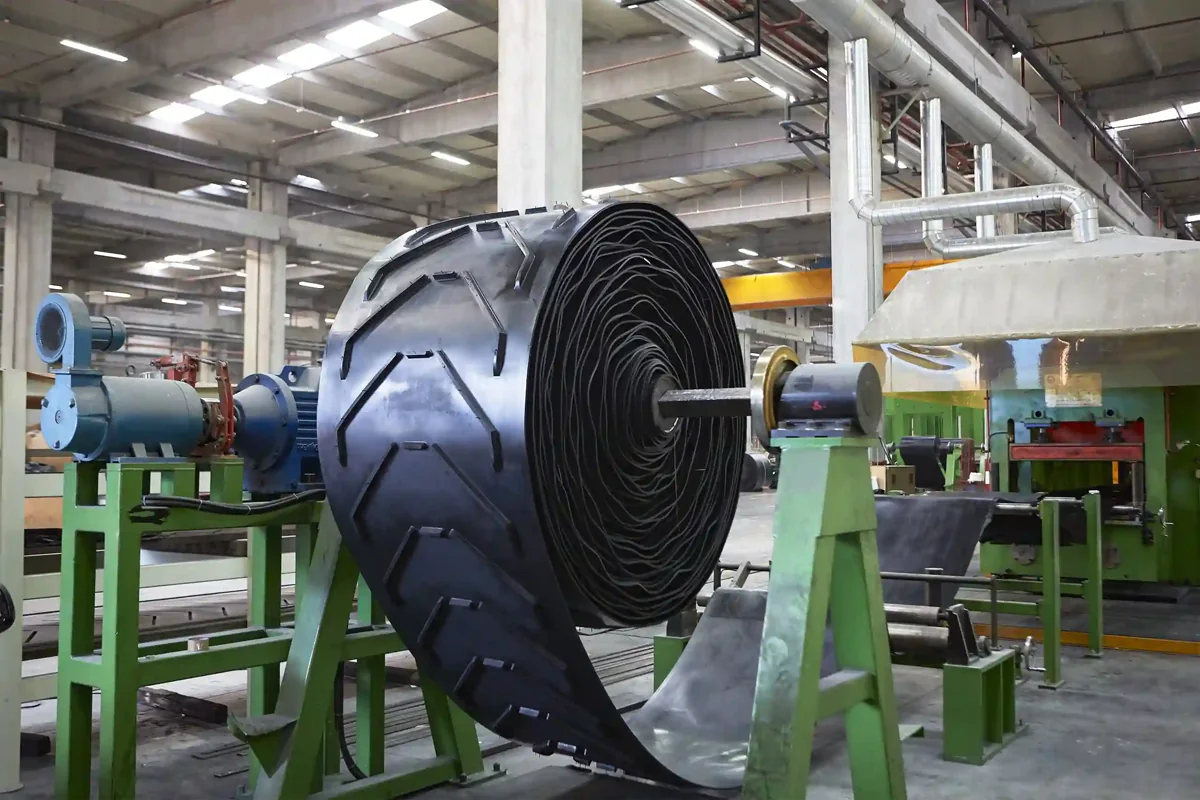
For a conveyor belt, changing the carcass, ply count, fabric, top and bottom cover thickness, width or length also changes its technical characteristics, price and production requirements. The task is therefore to define the customer request accurately at the quotation stage and turn the calculations into information manufacturing can use.
The Product Customization Wizard guides the sales team
The True ERP Product Customization Wizard collects the required technical details step by step. For a conveyor belt, users enter the carcass, ply count, fabric, cover thicknesses, width and length. Defined formulas then calculate the belt thickness and related values.
Width, length and pricing rules can be used to calculate the unit price during quotation and ordering. Rubber sheets, belts and scrapers have their own technical calculations. The selected product group determines the questions and calculation logic shown to the user, removing the need for sales representatives to memorize every product formula.
Formulas and customer pricing follow business rules
Hundreds of Kale Conveyor formulas and product rules are defined inside the customization wizard rather than embedded in the application core code. Calculation methods, product options, customer rules, pricing multipliers and production conditions can be updated through the configuration as requirements change.
Customer-specific pricing rules and multipliers are stored in customer records. Selecting a customer allows the relevant rules to be included in the calculation. Technical knowledge and pricing therefore become rules managed by the system rather than information individual staff must remember.
From quotation to production without extra product cards
A product card represents the base product, while the combination required for a particular order is created through customization. Instead of adding a separate product card for every variation, the quote and order can hold technical characteristics, calculated values, the bill of materials, routing, price and manufacturing parameters.
Calculations extend beyond the selling price. Technical inputs can determine the amount of semi-finished rubber compound needed and support the creation of related production orders. Production planning can also consider order priorities, delivery priorities and manufacturing requirements.
Three factories share current inventory information
All three Kale Conveyor factories use the same True ERP system. Current stock at different production locations can be followed through shared inventory information.
Managers can access stock information online from their smartphones. End-of-day reports can also be sent by automatic email, making the operational position visible without waiting for manual reports to be collected from different factories.
From scales to pallet labels, barcodes to dispatch
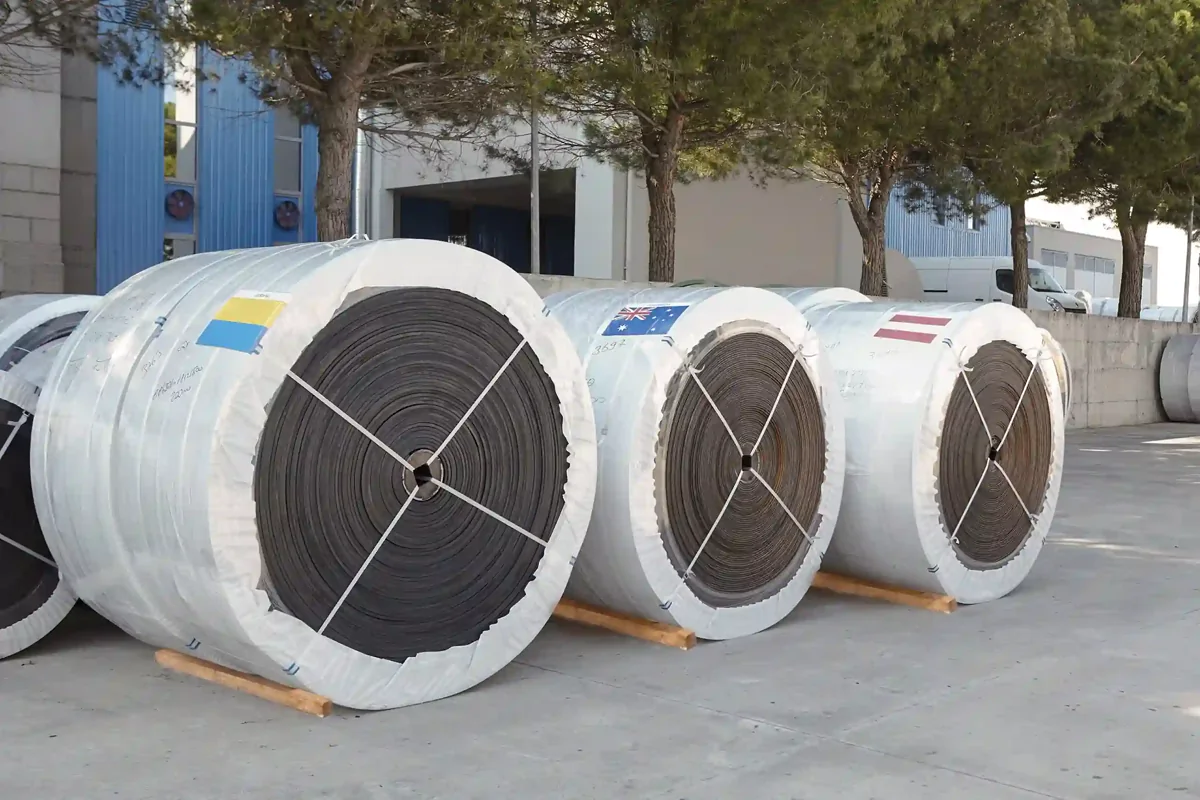
After production, scale-connected computers capture actual product information and can print pallet labels immediately. Barcodes track which pallet holds the product and its movements within the warehouse.
Raw materials and finished goods use barcodes for warehouse receipts and issues. Belt rolls and other products are scanned when preparing shipments. Matching the physical product to its ERP record reduces manual searches and repeated data entry, supporting faster operations and traceability.
Operational information continues into accounting
Records created in production, inventory, sales and dispatch work with True Muhasebe PRO. Relevant data can be transferred directly into the accounting system, connecting operational activity with financial records.
The value of the Kale Conveyor project is its ability to manage hundreds of formulas and thousands of product combinations within the same structure. Technical knowledge accumulated over the years becomes rules that True ERP calculates and applies. As production and sales requirements change, the system can adapt through those rules.
Key outcomes
Flexible product configuration
Product-specific questions and hundreds of formulas create customer combinations within quotes and orders.
Automatic pricing
Technical characteristics, dimensions and customer-specific multipliers feed into price calculations.
Connected sales and production
Technical details, BOM, routing and semi-finished requirements can be generated from the same information.
Central management of three factories
Shared stock information, mobile access and automatic daily reports support management.
Barcode warehouse and dispatch
Scale integration, pallet labels and barcodes connect physical products with their digital records.
Accounting integration
Operational data can be transferred into accounting through the True Muhasebe PRO integration.